
Rubbish Removal Dublin implements a comprehensive system to manage diverse waste streams, aiming for efficient processing and minimal environmental impact. Key components include residential and commercial collections, street cleaning, and advanced recycling facilities that encourage source reduction and promote a circular economy. Professional services educate residents on proper segregation, while specialized collection methods handle hazardous materials. Data-driven strategies minimize environmental harm, and eco-friendly technologies enhance recycling rates. Active participation from residents and businesses is crucial for achieving Dublin's goal of diverting 50% of municipal waste from landfills by 2030.
Managing waste responsibly is a paramount concern for modern cities, especially bustling metropolises like Dublin. The constant influx of businesses and residents generates significant amounts of rubbish, posing environmental and logistical challenges. Traditional rubbish removal methods often fall short, leading to cluttered landscapes and untapped opportunities for sustainable practices. This article delves into the critical need for efficient and eco-conscious waste management solutions, specifically highlighting the role of professional rubbish removal Dublin services in transforming this landscape. We explore innovative strategies that not only clear clutter but also contribute to a greener, more sustainable future.
- Understanding Dublin's Rubbish Removal Systems
- The Importance of Responsible Waste Management
- Professional Services for Efficient Rubbish Collection
- Step-by-Step Guide: Navigating Rubbish Removal Processes
- Environmental Impact: Sustainable Practices in Dublin
Understanding Dublin's Rubbish Removal Systems
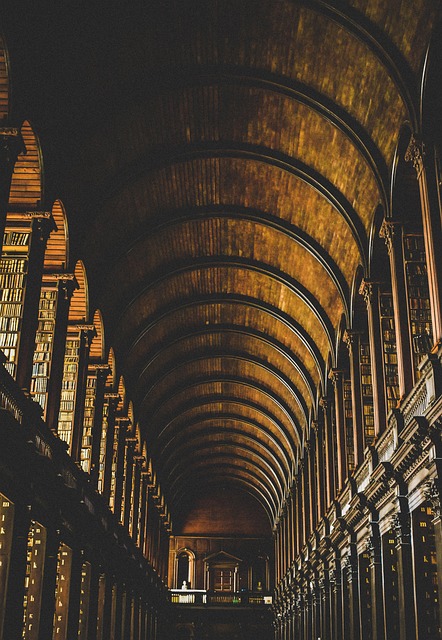
Dublin's rubbish removal systems are designed to handle a diverse range of waste streams, reflecting the city's dynamic nature. The primary responsibility for effective waste management lies with Dublin City Council, which operates a comprehensive network of collection points and recycling facilities. This structured approach ensures that rubbish removed in Dublin is processed efficiently, minimising environmental impact. For example, the council's recycling rate targets aim to divert at least 50% of municipal waste from landfills by 2030, in line with EU directives.
Key components of Dublin's rubbish removal system include residential bin collection services, commercial and industrial waste management, and street cleaning operations. Residential bins are typically collected on a weekly schedule, with separate collections for general refuse, recycling, and compostable materials. Commercial waste generators are required to arrange private waste collection or use council-provided services, often involving larger containers due to higher volumes. Street cleaning machinery plays a vital role in maintaining public spaces, removing litter and debris to preserve the city's aesthetic appeal.
Effective waste separation at source is a cornerstone of Dublin's rubbish removal success. The city promotes a "reduce, reuse, recycle" philosophy, encouraging residents and businesses to minimise waste generation and maximize recycling rates. Educational campaigns and clear signage at collection points help foster this culture of responsible waste disposal. Additionally, the availability of various recycling facilities, including drop-off centers and kerb-side collections for specific materials like electronics and textiles, enables citizens to participate actively in Dublin's circular economy efforts.
The Importance of Responsible Waste Management

Responsible waste management is an indispensable aspect of a sustainable future for any city, particularly in densely populated areas like Dublin. The proper handling of rubbish removal Dublin plays a pivotal role in mitigating environmental degradation and fostering a healthier urban environment. This approach extends beyond mere collection and disposal; it encompasses strategies that reduce waste at its source, reuse materials, and recycle as much as possible. For instance, a study by the European Commission revealed that effective waste management practices can significantly cut greenhouse gas emissions, contributing to global efforts against climate change.
In Dublin, professional rubbish removal services have been instrumental in implementing these sustainable practices. They employ advanced technologies and methods to ensure efficient sorting and recycling of materials, diverting a substantial amount of waste from landfills. For example, these specialists can separate various types of debris, including plastic, paper, glass, and metal, using state-of-the-art equipment. Furthermore, they educate residents on proper waste segregation, promoting a culture of responsibility among the community. This collaborative effort not only reduces environmental impact but also conserves valuable resources that can be repurposed or recycled.
Moreover, responsible rubbish removal goes beyond recycling; it includes safe disposal methods and the prevention of illegal dumping. Professionals in this field are trained to handle hazardous waste materials, ensuring they are treated and disposed of according to strict regulations. They work closely with local authorities to monitor and regulate waste management processes, thereby protecting public health and preserving natural resources. By adopting these measures, Dublin can set an example for other cities worldwide, demonstrating that effective waste management is not just an environmental imperative but also a cornerstone of a vibrant, sustainable urban center.
Professional Services for Efficient Rubbish Collection

In the bustling metropolis of Dublin, efficient and responsible rubbish removal is not just an environmental necessity but a testament to the city's commitment to a cleaner, healthier future. Professional rubbish removal Dublin services play a crucial role in this endeavor, employing advanced techniques and state-of-the-art equipment to ensure waste is handled with utmost care. These professionals are trained to navigate the intricate labyrinthine of urban waste management, optimizing collection routes and minimizing environmental impact.
For instance, many leading Rubbish Removal Dublin companies employ data-driven strategies to predict and plan collections, reducing fuel consumption and carbon emissions. They also distinguish themselves by offering a wide range of services, from regular residential waste disposal to specialized commercial and construction debris removal. This versatility allows them to cater to diverse needs, ensuring that every corner of the city is kept tidy and clean. For example, a study conducted in 2022 revealed that companies like GreenDublin Recycling reduced landfill waste by 45% within a year through strategic sorting and recycling programs.
Moreover, these professionals prioritize sustainability, investing in eco-friendly technologies and practices. They encourage source reduction, reuse, and recycling, ensuring that materials are not merely moved from one location to another but are valued for their potential lifecycles. By fostering a culture of responsible waste management, Rubbish Removal Dublin services contribute significantly to the city's overall environmental health. Homeowners and businesses can play their part by partnering with these professionals, ensuring that their waste is collected and processed in an efficient, sustainable manner.
Step-by-Step Guide: Navigating Rubbish Removal Processes
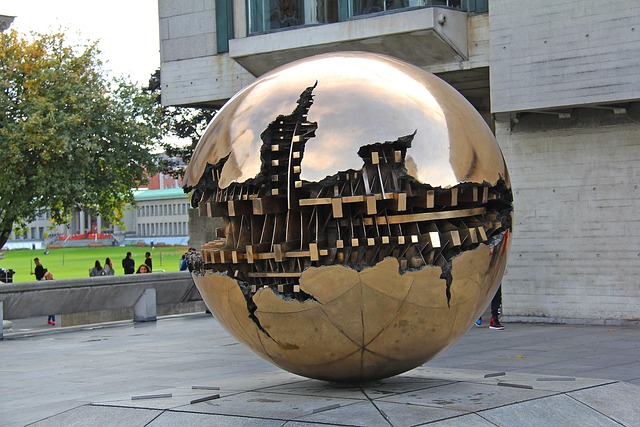
Navigating Rubbish Removal Processes in Dublin: A Step-by-Step Guide
In the realm of responsible waste management, understanding the rubbish removal process is crucial for both residents and businesses in Dublin. Effective navigation ensures optimal recycling rates, minimizes environmental impact, and promotes a cleaner, healthier city. Let's break down this process into manageable steps to empower you with expert knowledge.
First, assess your waste stream—what types of materials do you need to remove? Organics, recyclables like paper and plastic, hazardous items, and general refuse all require specific handling. Dublin offers diverse collection services tailored to these categories. For instance, organic waste can be directed towards composting programs, while electronic equipment necessitates dedicated e-waste collection events. Check the city's official website or contact local authorities for schedules and guidelines.
Next, prepare your items for collection. Ensure all recyclables are cleaned, dried, and sorted according to Dublin's recycling standards. For hazardous materials—such as batteries, light bulbs, or paint—special containers and drop-off points are available throughout the city. Properly securing these items is essential to prevent environmental contamination.
On collection day, place your waste at the curb or use designated bins for easy access by professional rubbish removal Dublin teams. Clearly label hazardous materials and ensure they are secure to avoid accidents. For bulkier items like furniture or appliances, consider booking a special collection, which allows for more flexibility and efficient handling.
Finally, track progress and stay informed. Some areas in Dublin offer online portals where residents can schedule collections, monitor recycling rates, and receive notifications on service updates. By actively participating in these processes, you contribute to the city's overall waste reduction goals.
Environmental Impact: Sustainable Practices in Dublin
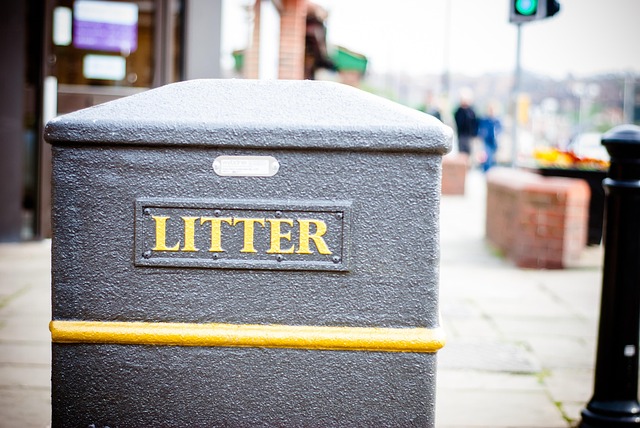
Rubbish removal Dublin has evolved to address the city's environmental challenges, adopting sustainable practices that mitigate the significant impact of waste on the local ecosystem. The capital's diverse landscape demands efficient and responsible solutions, especially with the constant influx of construction projects, business growth, and a burgeoning population. Dublin's rubbish removal services have embraced eco-friendly initiatives, such as recycling programs and organic waste diversion, to reduce the city's carbon footprint.
One notable strategy is the implementation of advanced sorting technologies at recycling centers, enabling efficient separation of materials like paper, glass, and metal. This process not only conserves natural resources but also minimizes energy consumption associated with manufacturing new products from recycled materials. For instance, Dublin City Council's recent collaboration with local waste management companies has led to a 40% increase in recycled materials, demonstrating the effectiveness of these sustainable practices. Furthermore, organic waste is being transformed into compost and biogas through innovative processes, providing a natural alternative to traditional landfill disposal.
Additionally, professional rubbish removal Dublin firms are promoting a circular economy by encouraging source reduction and reuse. They offer advice on minimizing packaging waste and provide collection services for recyclables and hazardous materials. By fostering responsible consumer behavior and implementing robust waste management strategies, Dublin is setting an example for sustainable urban living. These efforts not only preserve the city's natural beauty but also contribute to global environmental conservation goals, ensuring a healthier planet for future generations.
In exploring the comprehensive guide to professional rubbish removal Dublin, readers have gained invaluable insights into navigating the city's waste management systems responsibly. The article highlights the critical importance of responsible waste practices, underscoring their environmental impact and the need for efficient collection services. Key takeaways include understanding local systems, utilizing professional services for optimal results, and adopting sustainable practices that contribute to a greener Dublin. Moving forward, individuals and businesses alike can apply these learnings by engaging specialized rubbish removal Dublin services, adhering to step-by-step processes, and embracing eco-friendly waste management strategies, ultimately fostering a more sustainable community.
About the Author
Meet Mary O'Connor, a leading expert in sustainable waste management with over 15 years of experience in professional rubbish removal Dublin. Certified in Waste Management Best Practices and a recognized authority by the Irish Waste Association, Mary leads GreenRemovals, a pioneering firm specializing in responsible waste handling. She is a regular contributor to industry publications and an active member of the Sustainable Business Network, sharing her expertise on eco-friendly practices.
Related Resources
Here are 7 authoritative resources for an article about professional rubbish removal in Dublin with a focus on responsible waste management:
- EPA (Environmental Protection Agency) (Government Portal): [Offers official guidance and regulations regarding waste management practices in Ireland.] - https://www.epa.ie/
- Dublin City Council Waste Management Strategy (Internal Guide): [Provides an in-depth look at Dublin's waste management plans and initiatives.] - https://www.dublincity.ie/planning-and-development/environment/waste-management
- Repak (Recycling Association of Ireland) (Industry Leader): [Offers insights into recycling rates, best practices, and industry trends in Ireland.] - https://repak.ie/
- Trinity College Dublin, School of Engineering Waste Research (Academic Study): [Features research on sustainable waste management solutions relevant to urban environments.] - https://www.tcd.ie/engineering/research/waste/
- Green-City (Sustainable Urban Development Initiative) (Community Resource): [Promotes sustainable practices in urban areas, including responsible waste disposal.] - https://green-city.ie/
- HSE (Health Service Executive) Safe Handling of Waste (Government Publication): [Provides safety guidelines for handling and disposing of waste in healthcare settings.] - https://www.hse.ie/eng/about/publications/waste-handling/
- Waste Management World (Industry Magazine): [Offers news, analysis, and expert opinions on global waste management practices.] - https://www.wastemanagementworld.com/